

A plain-English guide
What is WEEE?
WEEE stands for Waste Electrical and Electronic Equipment. Here’s what it covers, why it matters, and what your business needs to do with it.
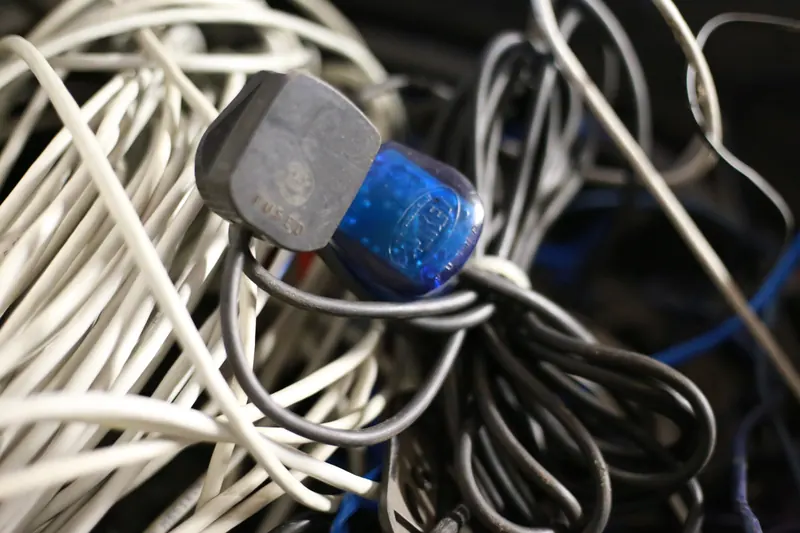
WEEE in a nutshell
WEEE is a blanket term for electrical and electronic equipment that’s no longer wanted. It covers anything powered by a plug or a battery, and the components used to make it.
The EU’s WEEE Directive set the rules for how this waste is collected, treated and recycled. In the UK they’re carried into law by the Waste Electrical and Electronic Equipment Regulations 2013. The aim is simple: keep electrical waste out of landfill, recover valuable materials, and deal safely with hazardous parts.
The crossed-out wheelie bin
Electrical and electronic equipment made after 13 August 2005 carries a crossed-out wheelie bin symbol. It marks the product as WEEE, which means it mustn’t go in a general waste bin.
The 14 UK categories of WEEE
The UK regulations group electrical equipment into 14 categories. Our recycling services cover equipment from every category.
- Large household appliances
- Small household appliances
- IT and telecommunications equipment
- Consumer equipment
- Lighting equipment
- Electrical and electronic tools
- Toys, leisure and sports equipment
- Medical devices
- Monitoring and control instruments
- Automatic dispensers
- Display equipment
- Cooling appliances containing refrigerants
- Gas discharge lamps and LED light sources
- Photovoltaic panels
What it means for your business
Businesses have a legal duty of care for the waste they produce. In practice, that means:
- Using a licensed carrier and an authorised facility for your electrical waste
- Getting a waste transfer note for each collection, or a consignment note for hazardous waste such as fridges and older screens
- Keeping that paperwork: usually two years for waste transfer notes and three years for hazardous waste consignment notes
- Making sure any data is destroyed before equipment leaves your control
When we collect, we provide the correct paperwork for the type of waste being collected, giving you a clear audit trail. For anything that stores data, see our data destruction service.
This page is a general guide, not legal advice. If you’re unsure what applies to your business, get in touch and we’ll talk it through.
How we can help
 Data DestructionHard drives, SSDs, phones and tapes shredded, degaussed or securely wiped, with a certificate of destruction.Find out more
  Computer RecyclingPCs, laptops and servers collected by our own vetted team, working or not, any age.Find out more
  IT & TelecomsSwitches, UPS units, phone systems, cabling and peripherals, logged and decommissioned.Find out more
  Brand ProtectionFaulty, returned or end-of-line branded stock destroyed so it never turns up for sale again.Find out more
  Commercial ClearancesOffices, factories, labs, shops, hotels and warehouses cleared, with waste streams kept separate.Find out more
  Kitchen DecommissioningCommercial kitchens stripped out by our own team, with gas, water and electrics made safe.Find out more
  RefrigerationFridges, freezers and air-conditioning units recycled with full hazardous-waste paperwork.Find out more
  TVs & MonitorsCRT and flat-screen displays sent to a specialist for safe lead and mercury recovery.Find out more
  General ElectricalIf it has a plug, a wire or a battery, we can collect it and recycle it.Find out more
  Jewellery RecyclingBranded costume jewellery separated, crushed and smelted, with the metals recovered.Find out more
 Got equipment to clear?
Tell us what you have and where it is. We’ll arrange a collection with our own vehicles and vetted staff, and send the paperwork you need.